

Mental Health Tests
If you have an assessment for mental health the doctor will evaluate your mood, as well as how you behave and think. They will also inquire about any physical problems and your family history.
The majority of lab tests, such as urine and blood tests are painless. You may feel a slight pinch or sting from the needle.
Depression
Mental health is a mix of psychological, emotional and social well-being that affects your mood and thoughts, and also your behavior and resilience. It is essential for relationships, both professional and personal development, as well as how you interact with other people. It also affects how you overcome challenges and deal with changes. It is essential to seek an evaluation if you believe you suffer from any mental health condition.
Behavioral health disorders can be caused by many factors that include genetics, chemical imbalances in the brain, and environmental factors like stress, drug use and trauma. The symptoms can be severe or mild, and may include changes in mood or behavior, thoughts, or emotions. These symptoms can cause distress and disrupt work, school, or activities at home. Some of the symptoms include depression, anxiety eating disorders, psychosis and anxiety.
There are a number of tests that can aid in determining whether you are suffering from a mental disorder, such as the mood assessment tool as well as an intelligence test and a psychiatric examination. These tests are simple to use and can be administered by a nurse, psychologist or doctor. These tests will give you an assessment and guidance on what you should do next. They can also help you identify the best treatment for your mental illness.
A psychiatric evaluation involves an interview as well as tests administered by psychologists or psychiatrists. These may be unstructured or structured, and may include questions about your past and present experiences. They can also include psychometric tests and recordings. You can also bring a family member or acquaintance to the test. The assessment is anonymous and confidential.
The signs of a mental disorder are difficult to identify however, with proper screening and diagnosis you can improve your quality of life. The good news is that most patients with mental disorders recover and can lead normal lives. Some people even recover completely. The important thing is to be aware about your mental health and to consult your GP if you are worried.
Anxiety disorders
Most people feel anxious or worried from time to time. It's a normal part. For some, this feeling is persistent and can interfere with their daily routines. In these cases, the person may be diagnosed with an anxiety disorder. Anxiety disorders can cause symptoms that range from feeling anxious to panic attacks. A person with severe symptoms may be unable to function and require assistance.
Psychotherapy or medication can be used to treat anxiety disorders. Psychotherapy is a form of talk therapy that can teach you how to change your thinking and react to stress. Medications can help relieve the physical symptoms of anxiety, like shaking or rapid heartbeat. You can obtain these medications through your doctor or psychiatrist. You can also purchase them in over-the counter form.
Certain medical conditions, such as thyroid, heart, or lung issues can trigger similar symptoms and make anxiety disorders more severe. It is important to undergo a complete physical examination before you consult with your doctor about your anxiety. Other factors that increase the chances of developing anxiety disorders include the following: neglect and abuse in your childhood, a history of other mental health issues, and use of alcohol or drugs.
If your doctor suspects that you have anxiety disorder, they will likely perform an initial screening test at the health center. private clinic for mental health could be an exam written by a doctor or an assessment questionnaire.
You may also be asked to write down any other symptoms you may experience. Then your health care professional will do a complete physical exam as well as other tests. The doctor may request to keep a log or diary of your actions over a several days. You may be asked to take an urological or blood test, sample or even X-rays.
If your health care provider finds that you suffer from an anxiety disorder, a treatment plan can be formulated. The type of anxiety you have will determine the treatment plan. Many people find that learning coping skills and joining a support group help ease anxiety. Refraining from drinking and using drugs can also make your symptoms worse.
Psychological screening tools
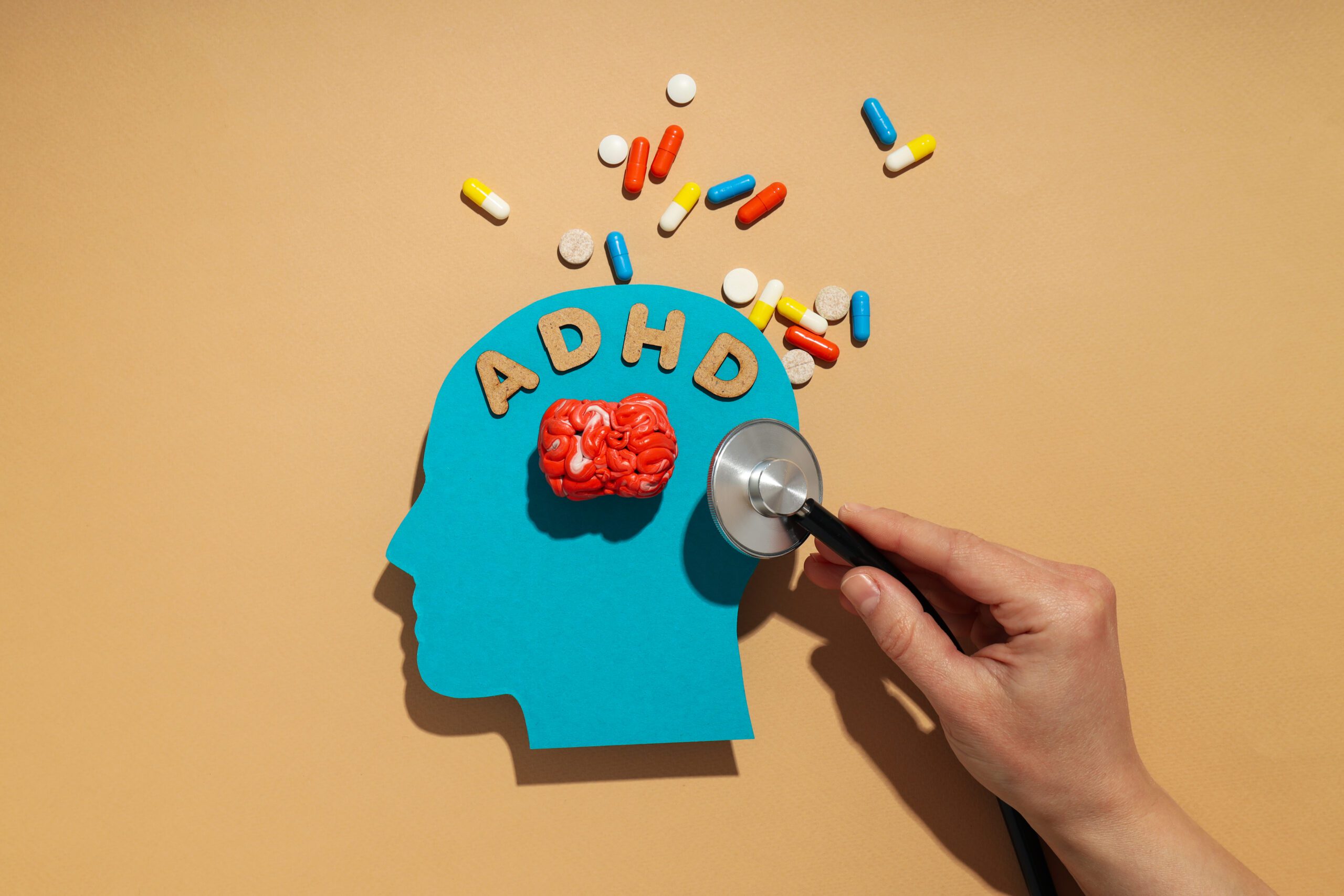
Mental health professionals utilize a variety of psycho-stress screening tools and assessments to determine if a person is suffering from a mental disorder. These tools are designed to assess a person's behavior in a controlled environment and evaluating them according to prescribed guidelines. The results are then evaluated by psychologists. These tools are used to create treatment plans and establish the diagnosis. These tools can be utilized by psychiatrists, in conjunction with medical tests to determine the root of an illness.
Mental problems can have an direct impact on the physical health. Therefore, it is important to diagnose and treat them as early as you can. Mental health issues that are not treated can result in physical symptoms like fatigue and sleeplessness. Psychological assessment tools can help identify these problems and provide effective treatment for a variety of conditions.
The most popular methods of psychological assessment include observations, clinical interviews and questionnaires. Interviews are designed to gather information about a person's emotional psychological, social and physical functioning. They can also aid in determining the cause of a specific issue such as suicidal ideas or substance abuse.
Studies using observation are a more objective method of assessing the behaviour of an individual. They involve watching someone in a natural environment and recording their reactions. They can be used to evaluate many different behaviors, such as anxiety, depression and eating disorders. They can also be used to evaluate children with behavioral issues.
Any healthcare professional is able to conduct psychological testing and screening, including primary care doctors (PCPs). These tests are designed to to identify a variety of disorders, including depression and anxiety. These tests can also be used for screening for other conditions, like bipolar disorder or schizophrenia. PCPs can also refer patients with an underlying mental disorder to a psychiatrist for a further evaluation.
The best way to prepare for a test on your psychological abilities is to be relaxed and calm. Do not look at the questions before the test, as this can distract you and lead you to give incorrect answers. It is also crucial to be open with your doctor about your feelings and symptoms. Some sufferers may be embarrassed or ashamed of their symptoms and might want to hide their symptoms from others. This can lead people to self-denial or a reluctance in seeking help.
General health questionnaire
Psychological assessments are an important step to determine if a person has a mental illness. It could include an interview with a psychiatrist or psychologist and tests for verbal or written and observations. These tests can help doctors decide on the kind of treatment they'll recommend. Psychological evaluations can last anywhere from 30 to 90 minutes. It can be conducted in-person or over the phone based on the patient's needs and comfort level with very personal issues.
A doctor can use the general health questionnaire to check patients for a range of mental disorders. The questionnaire consists of a series of questions asking what the patient's feelings are recently. The answers are ranked from 0-3 depending on the severity of their symptoms. The questions are about emotions such as irritability, agitation, and tiredness. The questionnaire also asks questions regarding sleep problems, concentration issues and depression. The GP will examine the answers and compare them with the normal range.
The GP may then refer the patient to a psychologist or psychiatrist for a full evaluation. The GP can also perform other tests, including blood or urine tests. A psychological assessment can help identify mental disorders which can be treated with medication or lifestyle adjustments. It can also be used to help a doctor understand the patient's behavior and how that might affect their relationships as well as their job.
Although a screening test can identify some disorders, it is not a perfect tool. It can miss some conditions, and it is crucial to follow up with a more in-depth assessment by a psychiatrist. Additionally, the doctor should consider other aspects when making a diagnosis, such as the family history and age.
In addition to a comprehensive mental health assessment, the GP must also take into consideration other health issues, such as diet and exercise, to ensure that the patient is receiving appropriate treatment. The GP must also be aware of chronic medical conditions that could have an impact on the mental health of the patient. For instance diabetes and high cholesterol can be a significant influence on the mental health of a person. Simple finger-prick tests can be performed by the GP to detect these conditions and can offer advice on diets and lifestyle modifications.